Sunday, 27 November 2016

Some Examples of Headphones

In-Ear Headphones

Shure SE 315
In-Ear headphones can be also called earphones. An example of earphones is Shure SE315. This optimizes a full range sound for personal listening and/or professional use.These types of headphones are lightweight. Shure SE315 are found to be cheaper than for example Shure SE846.


Shure SE846
The Shure SE846, is commonly used in professional settings. These types of headphones enable the deep low-end performance. These headphones personalize frequency response, one can also adjust the sound signatures in order to change for example the bright options and the balance. They are made with flexible design. They are also lightweight like the Shure SE315. 

Earphones are widely used as they are practical and the user will find them very comfortable and handy to use. This is because earphones are light in weight. With earphones one can listen to music in tranquility without disturbing others. The majority of people use these types of headphones while driving or travelling. 


On-Ear Headphones

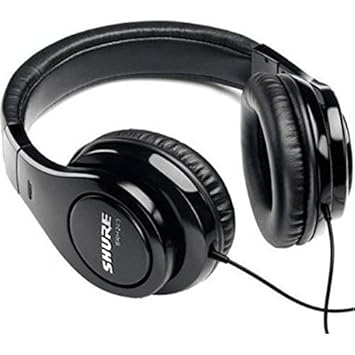
On-Ear Headphones are movable in different directions, this is convenient for the user. These types of headphones gives the user natural 'open' sound. There are some headphones which are closed-back, examples of these are the Shure SRH240A and the Shure SRH440.
Image result for Shure SRH440
Shure SRH440


Image result for Shure SRH240A
Shure SRH240A


Image result for Shure SRH1440
Shure SRH1440
The above headphones are professional. However apart from close-back headphones there are also open-back headphones, example the Shure SRH1440 and the Shure SRH1840.


Image result for Shure SRH1840
Shure SRH1840
The difference between open and closed back headphones are that the closed-back headphones have their speaker found in a solid ear cup. This does not allow sound or air to enter or exit. While on the other hand, open-back headphones, have holes in their ear cup which allows sound to pass through the back of the ear cup. These particular headphones make sound more natural than the closed-back headphones. Open-back headphone are commonly used for audio engineers who mix and edit recordings using headphones. They are also not suitable for monitoring while recording or listening to music in a noisy environment.


A video about open and closed back headphones:

https://www.youtube.com/watch?v=oqsyaHlZ6ro


Musical Headphones

Image result for Shure SE535
Shure SE535
Musicians choose the right headphones to suite their needs for a good performance. If in a performance one would use high quality headphones the user would have a special on-stage control on the headphones. Two examples of earphones that are commonly used are the Shure SE535 and the Shure SE846.
Image result for Shure SE 846
Shure SE846


Gaming Headsets

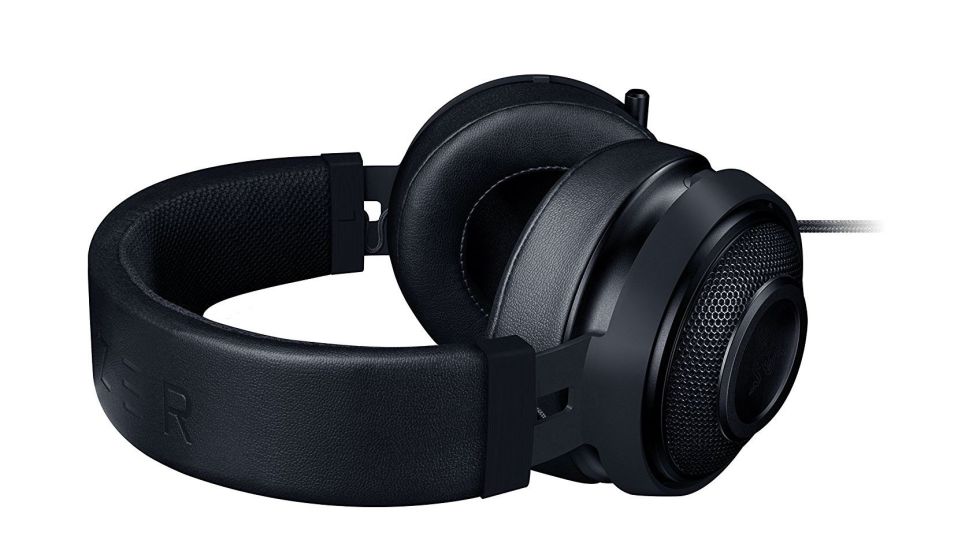
Razer Kraken Pro V2
The headsets used for gaming, are designed in an over-ear manner, so that the user will have good accommodation with their massive audio drivers. Headsets with large and soft ear pad gives a person playing a game good communication. Two example of gaming headsets are the Razer Kraken Pro V2 and the Turtle Beach Elite Pro.
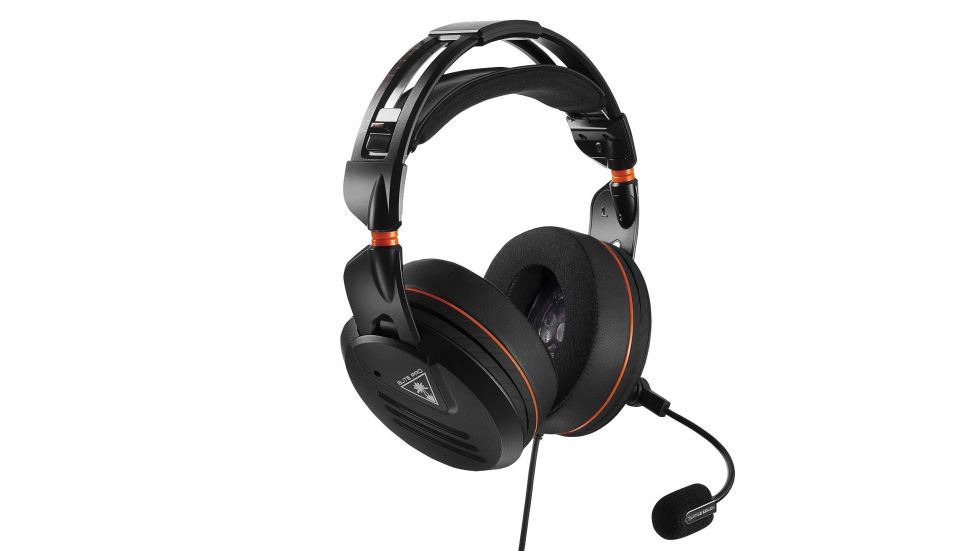


Turtle Beach Elite Pro

Low & High Pass Filters


Usually Low and High Pass Filters are used to define the highest and lowest frequencies of interest in the signal.

Low Pass Filter:

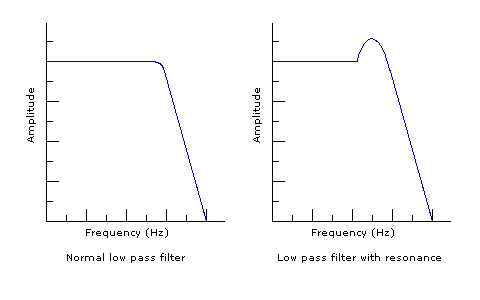
Low Pass Filter can be also called High-cut filter or treble cut filter. This type of filter cuts the high frequencies and lets the lows pass through.


Image result for low pass filter diagram in sound

High Pass Filter:

High Pass Filter can be also called Low-cut filter and also Bass-cut filter. This filter allows higher frequencies to pass through the filter. While recording audio, high pass filter can help us control problems with low frequencies.


Image result for High Pass Filter diagram in sound

High and Low pass Filters are calculated by using frequency and amplitude. Frequency is measured in Hertz (HZ) while amplitude is measured in decibels (dB).


A video clip about the difference between Low and High pass Filters:


https://www.youtube.com/watch?v=JndvN1ngSi4


Pop Filters

Pop filters


An example of Pop Filter is the Shure Ps-6 Popper Stopper. This is usually used for recording and production. The Pop filters can be clamped with the microphone stands. Pop filters are usually used to reduce or take away 'popping' sounds. These filters are normally used for speech and singing.


Monday, 21 November 2016

Monitoring Systems

Wedges & Side Fills

Wedge is a classic monitor use for a stage and one can say that it is positioned, facing upwards and so sound would go from the floor level. It consists of low frequencies and a compression driver with horn. 
Martin Audio LE400C is a classic example. One can place the wedge in different places, this depends on how much distance the performer would be. This example is either left-hand or right-hand models. This means that these come in stereo pairs. 


When using monitors one need to notice that the audience needs to hear the performer and the performer needs to hear him/herself. 
FOH stands for Front Of House Console. Front Of House Console, controls so that the audience could hear the sound. Instead using the traditional monitoring one should use an in-ear monitor. A Disadvantage of In-Ear monitoring is that the performer ends up isolated the performer in his/her performance.


Feedback

What would live sound be without feedback? An undiluted pleasure, many sound engineers would say. But feedback is a fact of life and engineers have to deal with it, monitor engineers included. As is commonly known, feedback is caused by sound from a loudspeaker entering the microphone and being amplified back to the speaker again. If there is any gain in this loop, that familiar howl will be heard by all. The problem for monitoring is that the speakers are very much closer to the microphones than are the FOH speakers. So the FOH engineer doesn't have too hard a time combating feedback, but it is the bane of the monitor engineer's life. And if the monitor engineer allows feedback to occur, the FOH engineer will want to have words, because the audience and the promoter will think he messed up. The keys to avoiding feedback are these:
  • Place the microphone as close to the sound source as possible.
  • If the sound source is loud, that helps.
  • Position the speaker as far from the microphone as possible.
  • Angle the mic away from the speaker, and the speaker away from the mic.
  • Keep the level from the speaker as low as practical in the circumstances.
  • Equalise out the worst-offending frequencies.
David Mellor, 2005. Stage Monitoring & Monitor Mixing. [online] Available at: <http://www.soundonsound.com/techniques/stage-monitoring-monitor-mixing> [Accessed 21st November 2016].

This quote explains how feedback monitoring works. Here also shows the positioning between the mics and the speakers.

Hereunder are some examples regarding monitors:


Image result for Auratone 5C Super Sound Cube monitor
Auratone 5C Super Sound Cube
Auratone 5C Super Sound Cube is a single - driver monitor. This speaker was very popular in the 70's and 80's, used for pictures of classic studio sessions. Some advantages regarding this monitor are single-driver, crystal-clear stereo presentation and excellent depth of overview. A disadvantage for this monitor is, that it is a mid-range balancing tool.


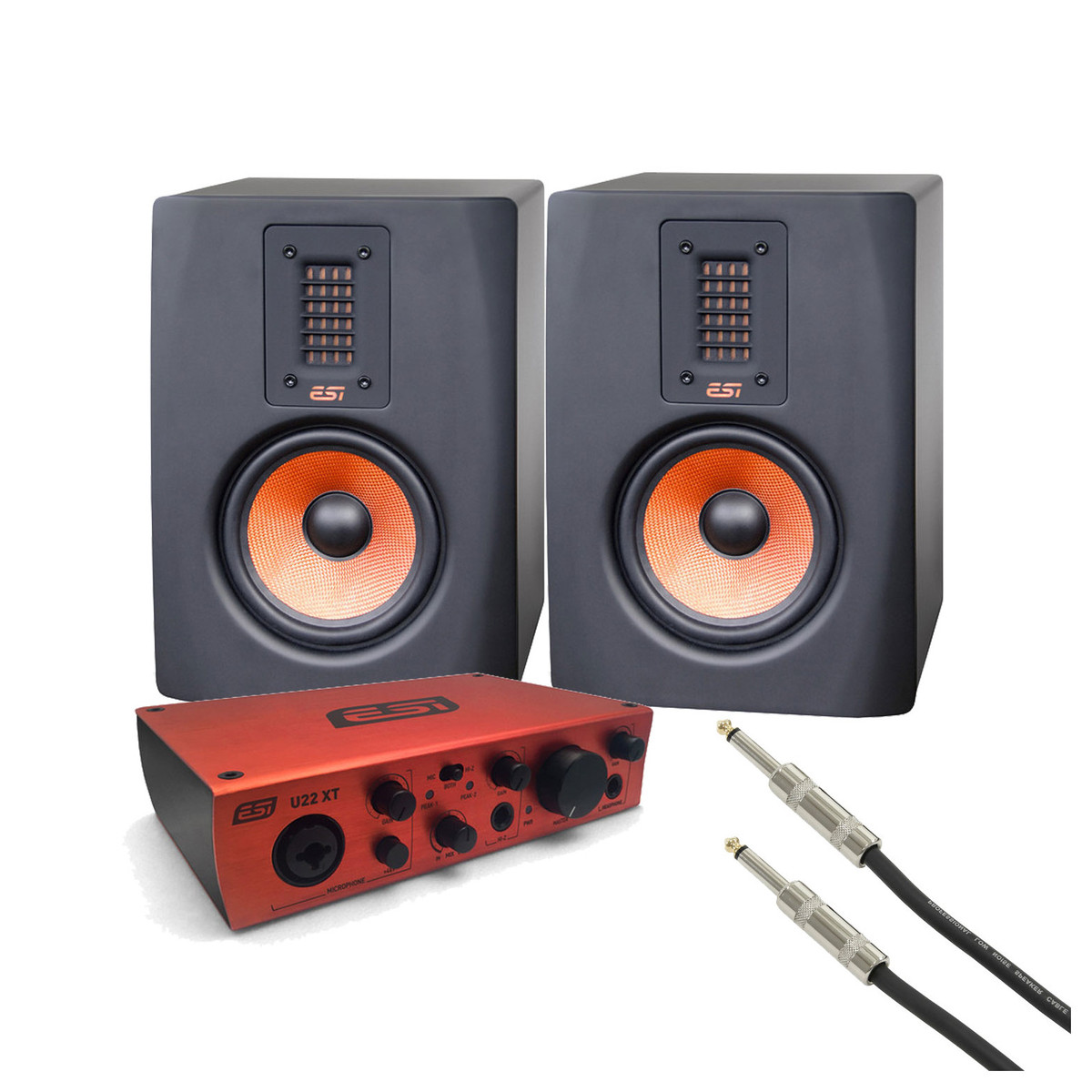
Image result for ESI Unik 05+ monitor
ESI Unik 05+

ESI Unik 05+ is a type of an active monitor. This type of monitor is valuable to buy, nowadays. The ESI monitors, are usually used in small studios and something which helps the user to use is that they would let you know if something which is wrong with the user's mixes. Some advantages for this type of monitor are; as I said above, it is valuable to buy, it is useful for a performance using a small monitor and it is detailed, this means that it announces sound. A disadvantage for this type of monitor is that it gets auto-standby and so this means the user must be cautious while using it. 


Image result for Shure P3R monitor
Shure P3R
Shure P3R, wireless body receiver is type of a monitor system. This enables one to adjust either left or right, which are two channels. These are audio or stereo mode. This type of monitor offers approximately six hours of usage. Lastly one can say that this type of monitor is not that expansive.


Positioning Of Monitor Console


Related image
Monitor console
A monitor console can be positioned at any side of a stage. The position of the monitor engineer could be ideal to make it for example closer to a specific musician. It is positioned in a specific place so that the musicians would communicate well.


A video how to ring out stage monitors and control feedback:


https://www.youtube.com/watch?v=v_cWECV8MfU