Digital Audio Workstations (DAW)
DAW is a type of software. All DAWs, come with sufficient plug-ins and software tools to help the user. There are many types of DAWs and so one should consider a number of factors when buying a DAW. However, at the moment the majority of DAWs, are all of good quality making genuine multi-track recordings. Besides this, setting up complex MIDI (Musical Instrument Digital Interface), this is a computer program to handle an audio loop.
Pro tools need to have a sample rate of 44.1 kHz which is commonly used for music and 48 kHz which is usually used for films. Mono describes as single audio channel while stereo describes as left and right audio channels. When we say 'Fade in', the sound increases slowly while someone speaks while 'Fade out' is vice versa.
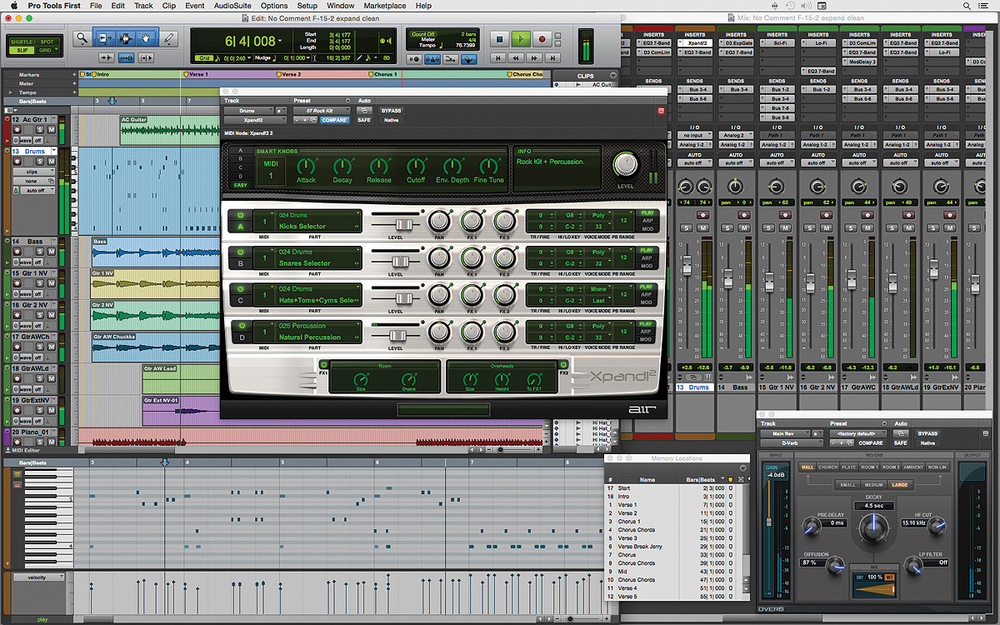
Avid's Pro Tools, for example, are commonly used for industrial purposes. It was initially an audio-only system, constructed for recording, editing, and mixing. The editing and the mixing of the Avid's Pro Tools are found to be one of the finest tools The MIDI and the content tools have been used for quite some time. This is no longer the case since the Pro Tools have been a very good MIDI sequencer for many iterations. Notwithstanding this, audio is definitely an outstanding choice for people who do numerous multitrack recording and mixing.
Reflecting the transformation of Pro Tools is Steinberg's Cubase. This started as a MIDI (only sequencer for the Atari), though it has inserted a complete audio recording, editing and mixing features for years. Atari is a word which is used between electronic musicians. Steinberg Cubase and Avid Pro Tools have together been used in a particular way. This is that, since Cubase has experience in editing systems and a superior mixing features, like VCA faders, to oppose those of any Digital Audio Workstations. VCA stands for Voltage Controlled Amplifier. It is a channel gain control that can be regulated by changing a DC voltage on the control input.
Similar to Cubase, Apple's Logic started as a MIDI sequencer and picked up its audio chops over a while. Currently, it can be said to contest with the finest of them, in relation to recording, editing and mixing. Unfortunately, it is a Mac-only programme and so it gives the Apple fans to be superior about. However they are superior in some cases: Logic is possibly the best-selected DAW in expression of the instruments and sounds that are included with it - particularly in its moderate low price. The user gets the EXS sampler and some instruments which will be in the Logic are Drummer, Piano and synthesizers. The Apple's Logic does not have a bad editing either.
The fullest version of Cakewalk Sonar Platinum has an instrument and plug-in bunch to rival Logic's, in addition to Addictive Drums 2 Producer Bundle, Pro-channel, a new vocal-aligning plug-in, this is called Vocal-Sync and a plethora of highly notice software synths, this includes Z3TA+ Classic, Dimension Pro and Rapture. AudioSnap is Sonar's holding on time-stretching and audio-added technology and the only thing that has been included is Mix Recall. This enables you to save versions of mixes in the same project, such as for easy vocal up and vocal down bounces.
Synthesizers and electronic music are preferred by users, a less better option is Propeller-head's Reason, which was basically accepted as a kind of basic synth rack and sequencer. Its origin are still much noticeable as there is still a synth rack which the user can swap around to connect its virtual cables and patch panels and a huge collection of synths and samplers is added in the package. However the latest version is definitely in a better total fledged DAW, entirely with a good SSL-inspired mixer. Like its inspiration, Reason's console have EQ, gating and compression on every channel, additionally on the master bus and there is a plan for extensive use of multing. Multing means duplicating mixer channels and then manage them dissimilarly, for detailed parallel-processing method.
Hereunder shows how to prepare a mix in a DAW:
Pro tools need to have a sample rate of 44.1 kHz which is commonly used for music and 48 kHz which is usually used for films. Mono describes as single audio channel while stereo describes as left and right audio channels. When we say 'Fade in', the sound increases slowly while someone speaks while 'Fade out' is vice versa.
 |
| Avid's Pro Tools |
Avid's Pro Tools, for example, are commonly used for industrial purposes. It was initially an audio-only system, constructed for recording, editing, and mixing. The editing and the mixing of the Avid's Pro Tools are found to be one of the finest tools The MIDI and the content tools have been used for quite some time. This is no longer the case since the Pro Tools have been a very good MIDI sequencer for many iterations. Notwithstanding this, audio is definitely an outstanding choice for people who do numerous multitrack recording and mixing.
 |
| Steinberg Cubase |
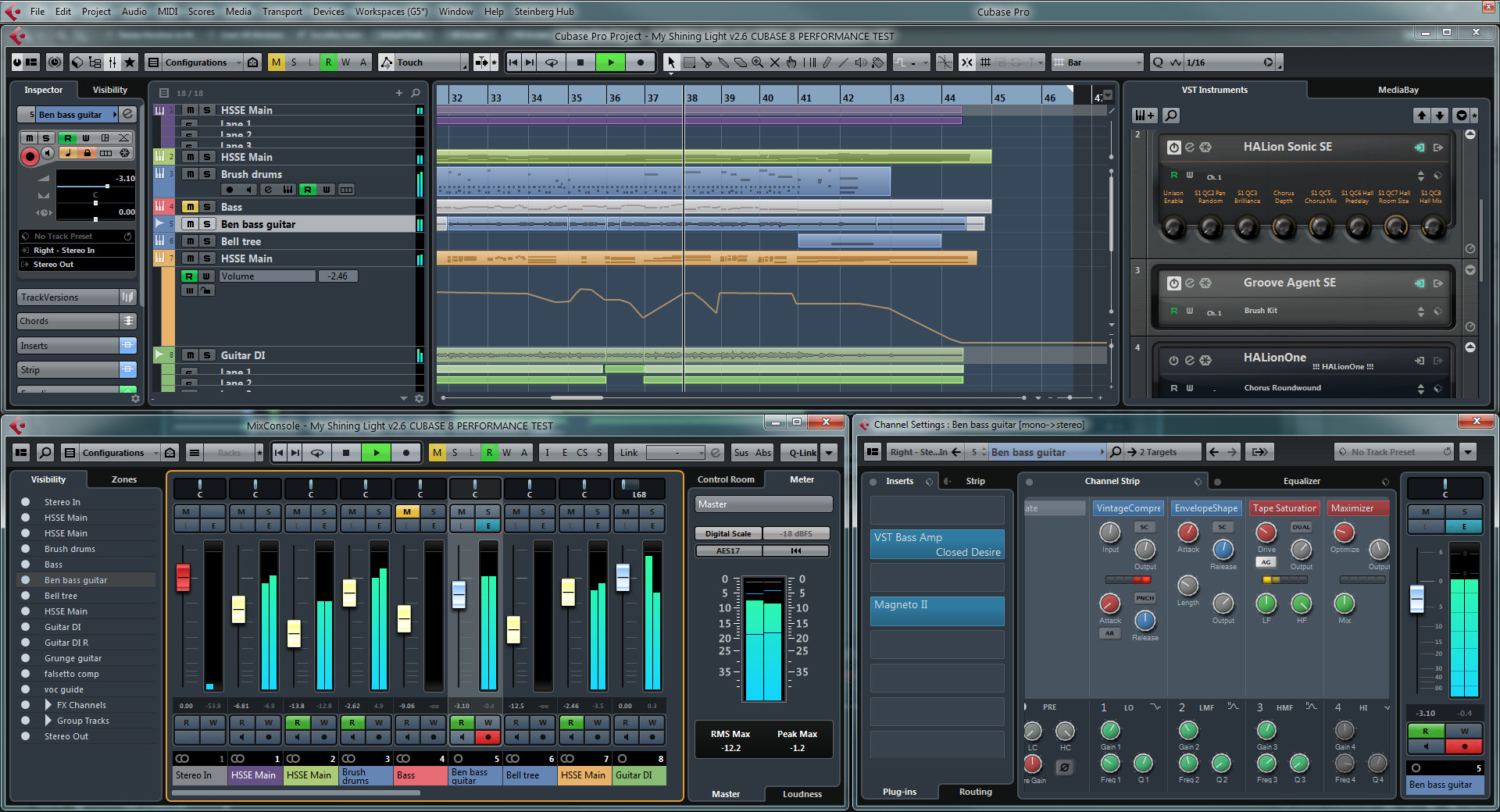
Reflecting the transformation of Pro Tools is Steinberg's Cubase. This started as a MIDI (only sequencer for the Atari), though it has inserted a complete audio recording, editing and mixing features for years. Atari is a word which is used between electronic musicians. Steinberg Cubase and Avid Pro Tools have together been used in a particular way. This is that, since Cubase has experience in editing systems and a superior mixing features, like VCA faders, to oppose those of any Digital Audio Workstations. VCA stands for Voltage Controlled Amplifier. It is a channel gain control that can be regulated by changing a DC voltage on the control input.
 |
| Apple Logic |
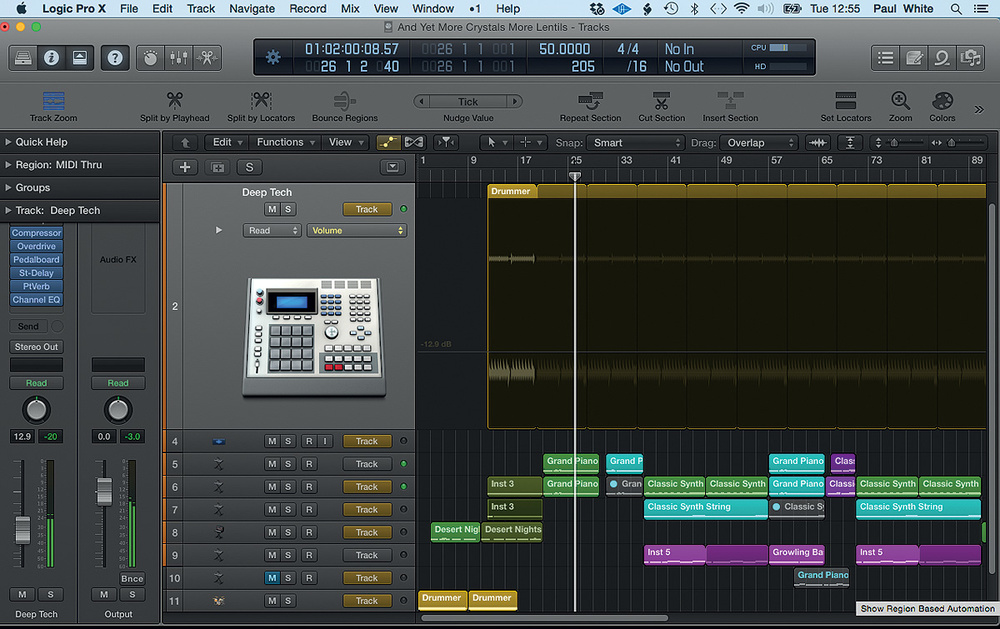
Similar to Cubase, Apple's Logic started as a MIDI sequencer and picked up its audio chops over a while. Currently, it can be said to contest with the finest of them, in relation to recording, editing and mixing. Unfortunately, it is a Mac-only programme and so it gives the Apple fans to be superior about. However they are superior in some cases: Logic is possibly the best-selected DAW in expression of the instruments and sounds that are included with it - particularly in its moderate low price. The user gets the EXS sampler and some instruments which will be in the Logic are Drummer, Piano and synthesizers. The Apple's Logic does not have a bad editing either.
 |
| Cakewalk Sonar |
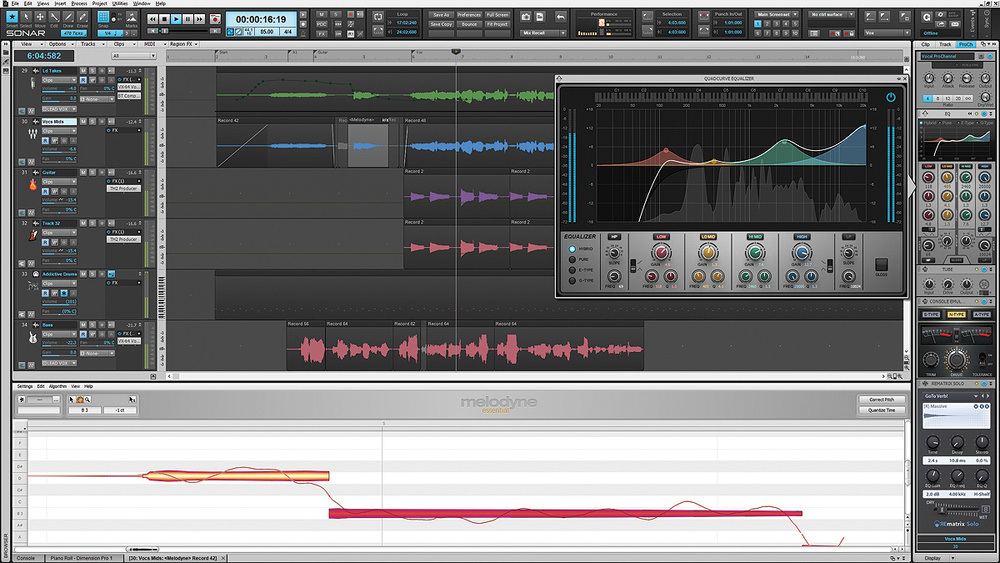
The fullest version of Cakewalk Sonar Platinum has an instrument and plug-in bunch to rival Logic's, in addition to Addictive Drums 2 Producer Bundle, Pro-channel, a new vocal-aligning plug-in, this is called Vocal-Sync and a plethora of highly notice software synths, this includes Z3TA+ Classic, Dimension Pro and Rapture. AudioSnap is Sonar's holding on time-stretching and audio-added technology and the only thing that has been included is Mix Recall. This enables you to save versions of mixes in the same project, such as for easy vocal up and vocal down bounces.
 |
| Propellerhead's Reason |
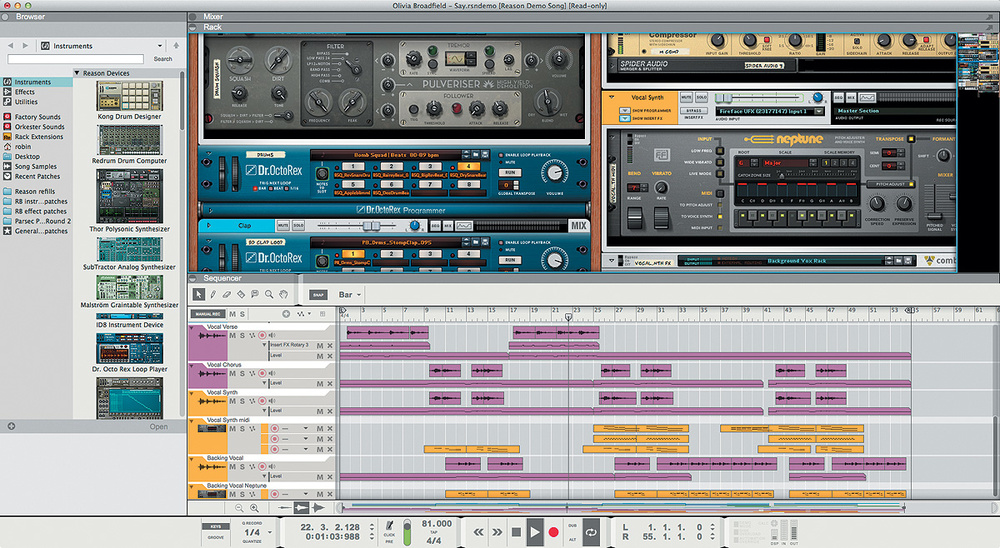
Synthesizers and electronic music are preferred by users, a less better option is Propeller-head's Reason, which was basically accepted as a kind of basic synth rack and sequencer. Its origin are still much noticeable as there is still a synth rack which the user can swap around to connect its virtual cables and patch panels and a huge collection of synths and samplers is added in the package. However the latest version is definitely in a better total fledged DAW, entirely with a good SSL-inspired mixer. Like its inspiration, Reason's console have EQ, gating and compression on every channel, additionally on the master bus and there is a plan for extensive use of multing. Multing means duplicating mixer channels and then manage them dissimilarly, for detailed parallel-processing method.
Hereunder shows how to prepare a mix in a DAW:
https://www.youtube.com/watch?v=tTz6XHK2eKQ