Microphones
As a general rule microphones should be positioned in a proper way so that for example the singer, actor or any person who is on the stage, would be heard well. There could be also background noise of the preamp itself. Microphones should always be connected with preamp. Clipping is an example in which the sound can be destroyed. If we adjust the gain higher, there could be clipping or distortion in which there will be background noise of the system itself. Therefore the signal has to be higher than the noise.
Every place has its own acoustic as it depends on how many space in that particular room there is. Acoustics is for example audience are clapping and there will be the reflection of sound, this is called reverberation. Acoustics can easily change the quality of the sound. Professional Microphones always need an XLR cable.
There are many types of microphones. Some types of mics are:
- Lavalier mics;
- Handheld mics;
- Shotgun microphones;
- Boom Mics;
- Parabolic mics;
- Earset head worn microphones;
- Wireless microphones;
- Ribbon microphones
Lavalier Microphones:
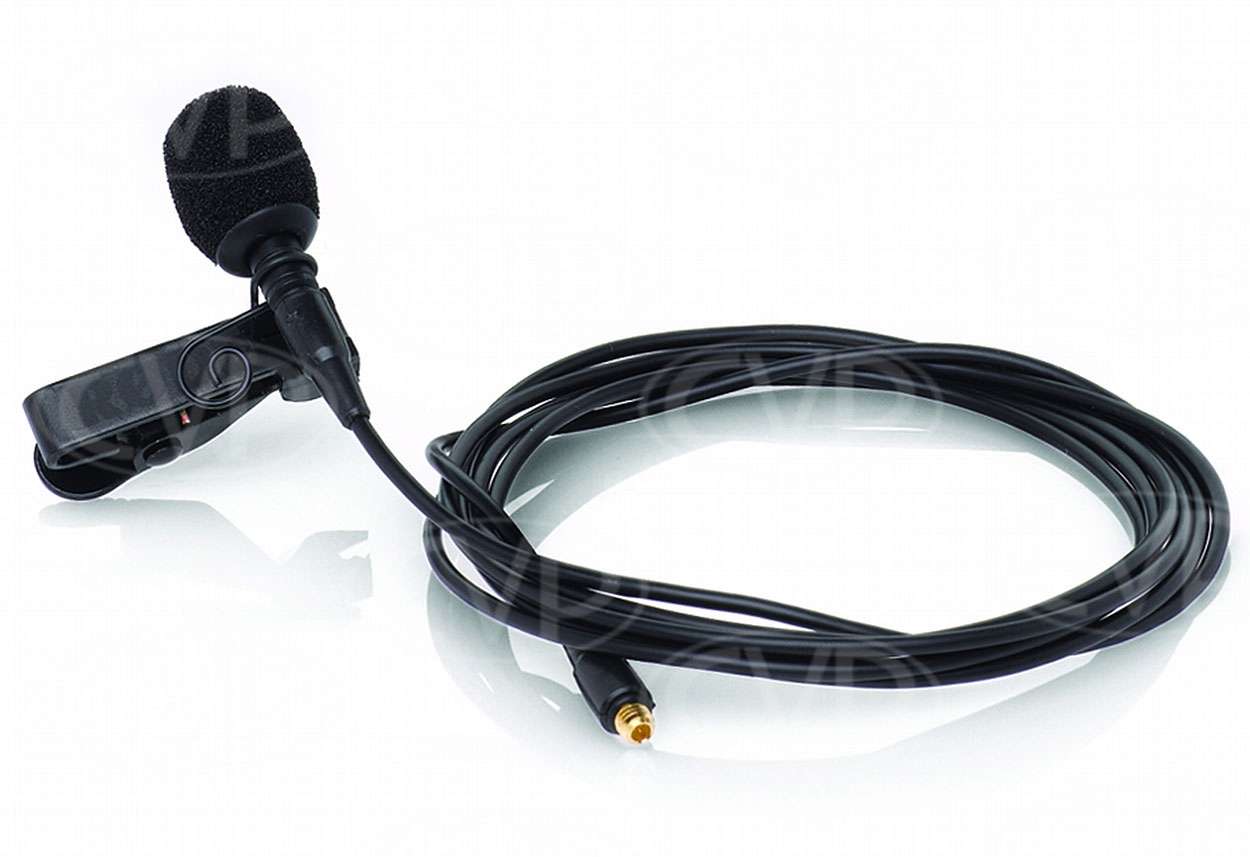 |
| Lavalier Microphone |
These types of microphones can be attached to a shirt, to a pocket and even to a belt. These mics are mostly used in theatre and television. These mics are not handheld. These mics are easily covered with fabric, hence blending very well with the costumes.
https://en.wikipedia.org/wiki/Lavalier_microphone7
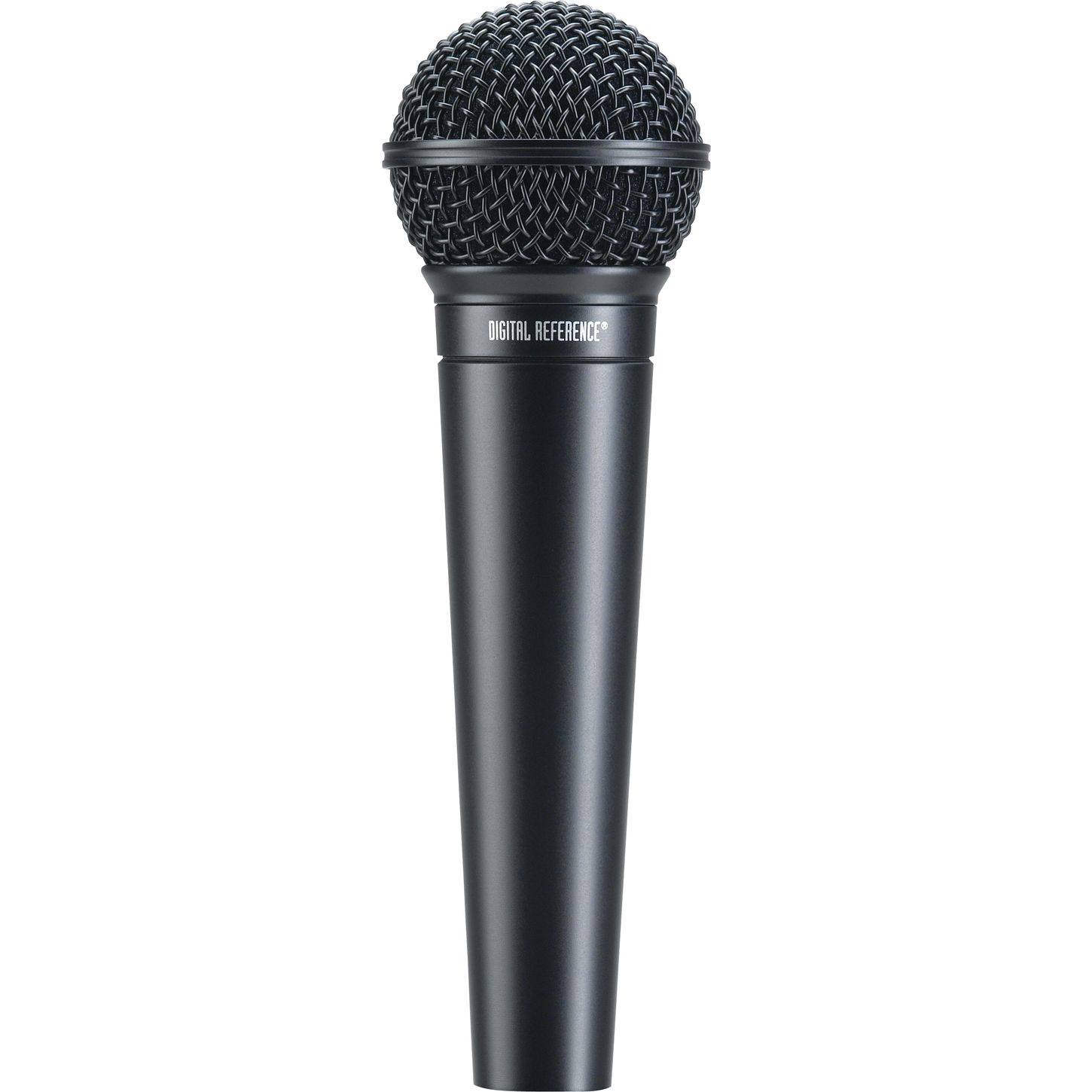 |
| Handheld Microphone |
This is a type of microphone in which one would need to hold while talking. This is commonly used in singing or television interviews. However, when one uses this type of mic it is important to monitor the quality of sound that it is projecting. The distance between the mic and the person using it is very important. Also, the mic should be shielded from wind on a windy day.
http://www.mediacollege.com/audio/microphones/hand-held.html
Shotgun Microphones:
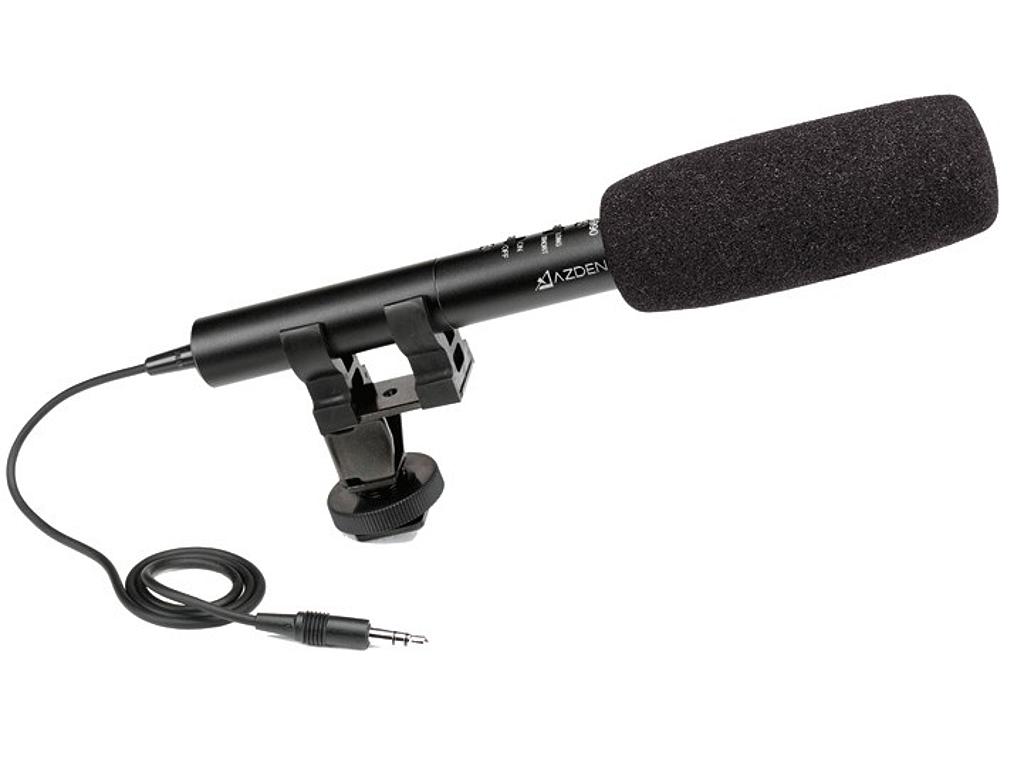 |
| Shotgun Microphone |
http://www.learningaboutelectronics.com/Articles/What-is-a-shotgun-microphone
Boom Microphones:
A Boom microphone can be called a boom pole. This is an overhead mic. It is commonly used for films and TV studios. Boom mics can be moved freely. It is essential to note the distance between the mic and the actor. Boom Mics are made up with sticks and a microphone at the end of it. This microphone picks up sound mostly from the front and so the actors would be hared more if they stay in front

of the mic and so this can be called a directional mic. However, this mic also picks up sound from the back, left and right.
 |
| Parabolic Microphone |
These are used when sounds are low for recording so one should use this type of microphone. These can be also used for high distances. These are used to record wildlife and outdoor games.
https://en.wikipedia.org/wiki/Parabolic_microphone
Earset Headworn Microphones:
 |
| Earset Headworn Microphone |
http://www.shure.eu/products/microphones/mx153/wireless
Wireless Microphones:
 |
| Wireless Microphones |
https://en.wikipedia.org/wiki/Wireless_microphone
Ribbon Microphones:
 |
| Ribbon Microphone |
These types of microphones were invented early in the 1920's. These mics are used for theatres or loud rock music. They pick up sound from the sides, equally. This is called bidirectional. This type of microphone is a dynamic mic.
https://en.wikipedia.org/wiki/Ribbon_microphone
All the above microphones are very much used, nowadays. Every mic has its own special use, it depends on what kind of purpose one wants to be used for.
For example, the Lavalier mic is very effective to use on stage. This is because, one can camouflage the mic in fabric and so the mic will not be seen by the audience. This mic is comfortable when compared with a handheld mic as one would have to hold it, even though it is good to use on stage.
A Shotgun Microphone, is generally used when addressing an audience and not on stage.
A Parabolic Microphone is not ideal to use on stage as the sound would need to be natural and transmitted from a distance.
Earset Headworn and Wireless microphones are also as good as Lavalier mics to be used on stage.
Ribbon mics are not usually used on stage, except for speeches.
Pop filters
 An example of Pop Filter is the Shure Ps-6 Popper Stopper. This is usually used for recording and production. The Pop filters can be clamped with the microphone stands.
No comments:
Post a Comment